Routines
Why You Light Up the Minute You Get Home From Work
The cigarette after work often acts as a transition between your work self and your home self. Why the urge hits so fast when you walk in the door, and how to keep the transition without the cigarette.
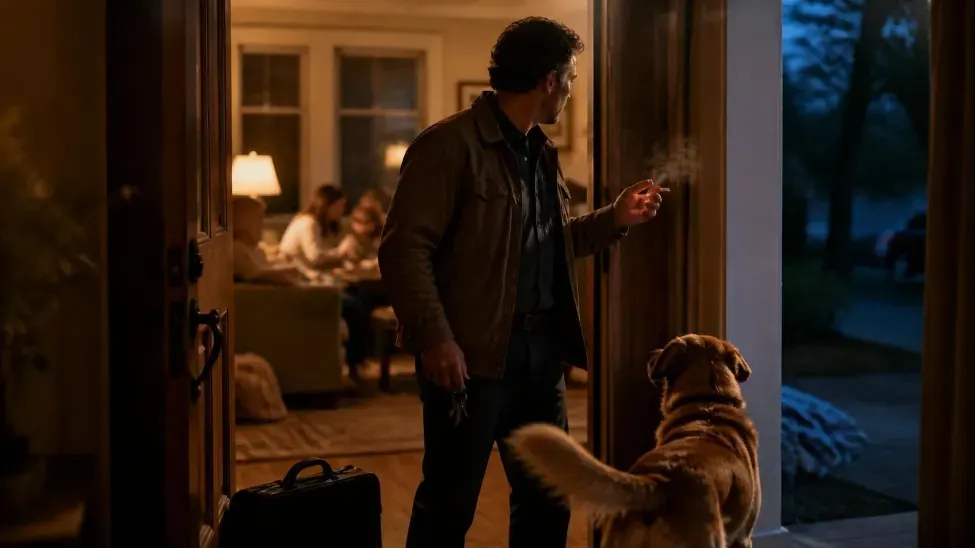
The short answer: the cigarette after work often acts as a transition. It marks the line between your work self and your home self. After years of repetition, arriving home, dropping your bag, and stepping outside to smoke can become one automatic routine. The urge isn't just about nicotine. It's about switching off, decompressing, and claiming a few minutes for yourself before the evening begins.
Why does the urge hit so fast when I get home?
Because arriving home is a strong cue. You walk in, put down your keys, and your brain expects the next step: a cigarette.
The routine might look like this:
1. Park the car.
2. Walk in the door.
3. Drop your bag.
4. Step outside.
5. Light up.
When this happens every day, it becomes almost automatic.
What does the after-work cigarette give me?
It often gives you:
• A transition. A clear end to the workday.
• Time alone. A few minutes before family or chores.
• Stress relief. A pause after a long day.
• Familiarity. A routine that signals "I'm home."
• Permission to rest. Even just for five minutes.
These are real needs. The challenge is finding another way to meet them.
Why is it harder than other cigarettes?
Because you're often tired, stressed, and mentally drained after work. Willpower may be lower, and the habit is strong.
What can I do instead?
Keep the transition. Give yourself a few minutes alone when you get home.
Change the first step. Walk in through a different door, change clothes immediately, or take the dog out.
Create a new ritual. A glass of water, a short walk, a shower, or a guided session.
Delay the first five minutes. Many cravings are strongest at first, so a short delay can help.
Prepare at the end of work. Decide what you'll do when you get home before you leave the office.
Tell your family. Let them know you may need a few minutes of quiet when you arrive.
What if I work from home?
The transition can be even harder because there's no clear end to the workday. Try creating one: shut down your computer, take a short walk, or change rooms to mark the end of work.
What if I slip after work?
Notice what happened. Was it a stressful day? Were you rushing? Did you skip your usual break? Use that information to adjust your plan for similar days.
How long until it feels normal?
It varies. Many people find the after-work routine is one of the harder ones to change because it happens every day. With consistency, the new transition can start to feel familiar.
What if withdrawal is making evenings difficult?
If cravings or withdrawal symptoms are affecting your mood or sleep, a doctor or pharmacist can talk you through available options.
Related questions
• The first cigarette of the day isn't about nicotine. It's about your kitchen.
• The cigarette you light after every argument.
Reset habits help you build a new arrival-home routine, so you still get your transition from work to home, just without the cigarette.