Mornings
The First Cigarette of the Day Isn't About Nicotine. It's About Your Kitchen
The first cigarette of the day often feels the strongest, and nicotine is only part of the reason. Your morning routine is doing much of the work, and routines can be changed.
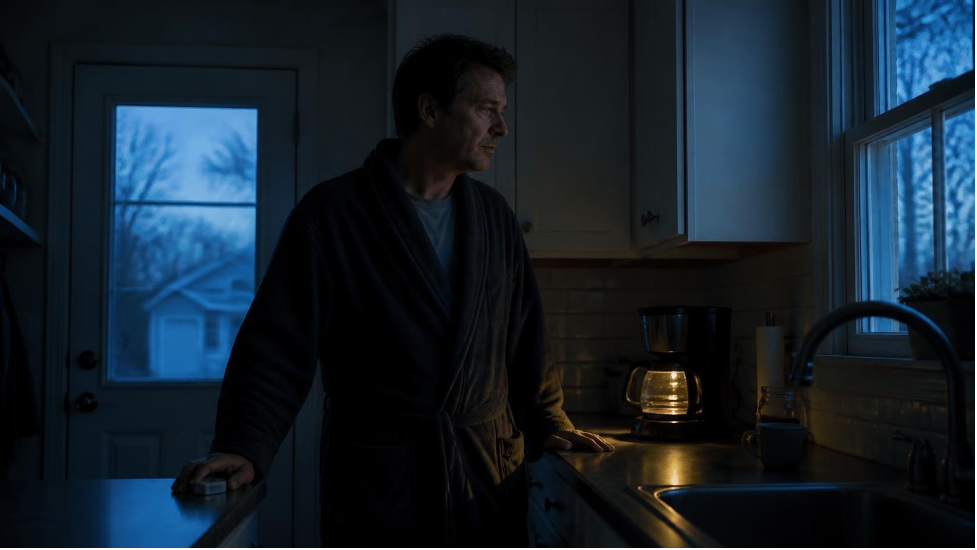
The short answer: the first cigarette of the day often feels like the strongest one, and nicotine is only part of the reason. After years of repetition, the morning becomes a sequence: wake up, kitchen, coffee, back door, cigarette. Your brain has learned the whole routine, so the urge arrives as part of the place and the order of events, not just as a craving. That's good news, because places and sequences can be changed.
Why does the first cigarette feel so automatic?
Think about how many times you've done it. If you've smoked first thing in the morning for twenty years, that's thousands of repetitions of the same steps in the same room, in the same order.
At that point, your kitchen isn't just a kitchen. It's the start of a routine that ends with a cigarette. You may be halfway to the back door before you've had a single conscious thought about smoking.
Is it really not about nicotine?
It's both. Many smokers notice the urge is strongest in the morning, after a long stretch without smoking overnight. That physical side is real, and if withdrawal is making mornings very hard, a doctor or pharmacist can talk you through options like nicotine replacement.
But the routine is a big part of it too. Many people find that the urge hits hardest at a specific moment: as the coffee finishes brewing, or as they open the back door. That timing points to the routine, not just the body.
What exactly is my kitchen doing?
Look at your own morning. Most people find some of these:
The same spot. You stand in the same place every morning.
The same order. Coffee, then cigarette, every time.
The same door. The back door or porch becomes part of the ritual.
The same objects. The lighter lives in the same drawer or on the same shelf.
The same quiet. Mornings are often the only time you're alone.
Each one is a cue. Together, they make a very strong chain.
Can changing the routine really help?
Changing the routine won't remove the urge on its own, but it can weaken the chain. When the steps change, the automatic part has a harder time running.
People often find that the first few mornings feel strange, which is a sign the old pattern is being interrupted.
What can I change?
Move the coffee. Drink it in a different room, or sit down instead of standing.
Change the order. Shower before coffee instead of after. Take the dog out first. Anything that breaks the sequence.
Move the lighter. Keep it out of the kitchen entirely, ideally out of the house.
Use the front door. If the back door is part of the ritual, avoid it for a while.
Replace the quiet moment. If the cigarette was your five minutes of peace, keep the five minutes. Sit somewhere new, step outside without a cigarette, or use that time for a short guided session.
What if I still want one?
You probably will, especially at first. That's normal. Have a plan ready before you wake up: what you'll do in the first few minutes if the urge comes. A short breathing pattern, a glass of cold water, stepping into a different room, or something to occupy your hands.
The plan works better when it's decided the night before, not in the moment.
How long does it take for the morning to feel normal again?
It varies from person to person. Many people find the morning routine is one of the harder ones to change, because it's so tightly repeated. The more consistently you keep the new version, the more familiar it becomes.
Should I start with the morning or leave it until later?
Some people tackle the morning first because it sets the tone for the day. Others leave it until they've changed easier routines. Both approaches can work. What matters is choosing deliberately rather than hoping the morning will take care of itself.
Reset includes habit rituals designed for moments like this, so your morning has a new routine to follow, and a short daily session you can fit into the space the cigarette used to fill.
Related questions
Why do you light up the minute you get home from work?
Why is the last cigarette before bed the hardest one to drop?