Quit attempts
7 Things Your Sixth Quit Attempt Should Do Differently
Five quit attempts behind you is information, not proof. Seven things your next attempt can do differently, from planning for slips to changing the cues around smoking.
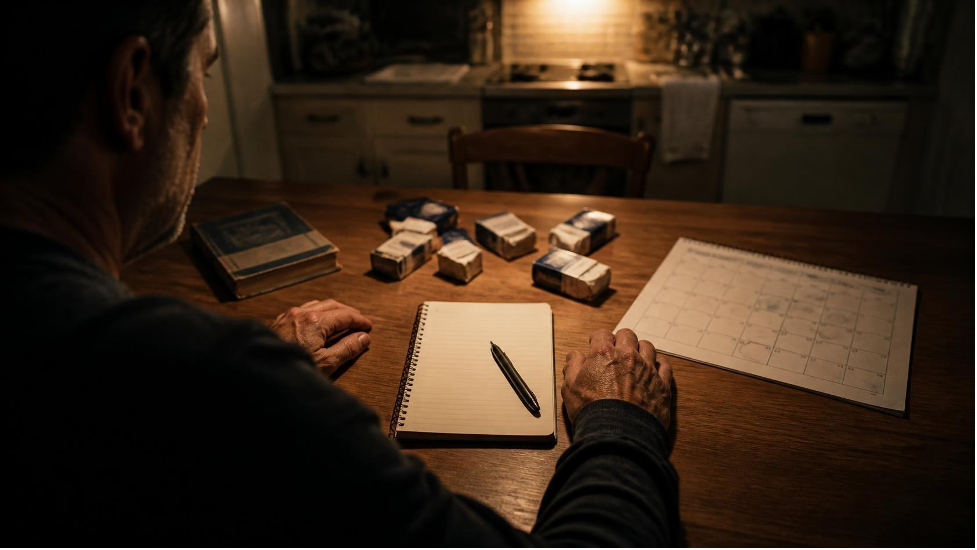
You've tried before. Maybe five times, maybe more. Cold turkey on New Year's Day. Patches after a doctor's appointment. That time you made it three months and then didn't.
Every failed attempt can make the next one feel less likely to work. But here's another way to look at it: you now know more about your own smoking than you did before any of those attempts.
Previous attempts aren't proof you can't quit. They're information. Here are seven things your next attempt can do differently.
Start with what went wrong last time
Most people restart quitting from scratch, as if the previous attempts never happened. Instead, look back honestly.
When did each attempt end? Where were you? What was happening? Was it stress, alcohol, a social situation, or a particular time of day?
You may find the same moment ended several attempts. That moment deserves the most attention this time.
Plan for the slip before it happens
Many quit attempts end not with the first cigarette, but with what happens after it. One slip turns into "I've blown it," and that turns into a pack.
Decide now what you'll do if you slip: note what happened, adjust your plan, and carry on the same day.
Choose your approach on purpose
Some people stop completely on a chosen date. Others reduce gradually. If you've always tried one approach and it hasn't worked, it may be worth trying the other.
Neither is more "correct." What matters is choosing the one that fits you.
Change the cues, not just your intentions
Willpower is strongest when you're calm, and weakest when you're tired or stressed. Instead of relying on it in every moment, change the situations that lead to smoking.
Move the lighter. Change where you have your coffee. Take a different route home. Small changes reduce how often you have to fight the urge.
Keep the good parts of smoking
Smoking may have given you breaks, quiet moments, time outside, or social contact. If you remove the cigarette and those things disappear too, quitting can feel like a loss.
Keep the break, keep the walk, keep the people. Replace only the cigarette.
Practice a little every day
Habit change usually happens through repetition, not one big effort. Short daily practice, such as a guided session, a quick check-in, or reviewing your triggers, can build momentum over time.
Get support for the physical side
Nicotine dependence has a physical component. If withdrawal symptoms have ended past attempts, talk to a doctor or pharmacist about the options available. That isn't a sign of weakness. It's using every tool available to you.
A simple exercise
Write down your previous attempts in a short table:
| Attempt | How long it lasted | What ended it | What I'd do differently |
|---|---|---|---|
| 1 | |||
| 2 | |||
| 3 |
Look for patterns. The same situations often appear again and again.
Summary
| What to do differently | Why it matters |
|---|---|
| Learn from past attempts | The same moments often repeat |
| Plan for slips | Stops one cigarette becoming many |
| Choose your approach | One size doesn't fit all |
| Change cues | Reduces how often you fight urges |
| Keep the good parts | Prevents quitting from feeling like a loss |
| Practice daily | Builds new habits gradually |
| Get physical support | Helps with withdrawal |
Reset is built for people who've tried before. You can choose to stop on a date or reduce gradually, use daily guided sessions, and track your patterns through check-ins, so this attempt builds on what you've already learned.