Habits
"I Don't Even Enjoy It Anymore." So Why Do You Still Smoke?
Why smoking can continue long after the enjoyment fades, and how noticing your automatic cigarettes makes them easier to change.
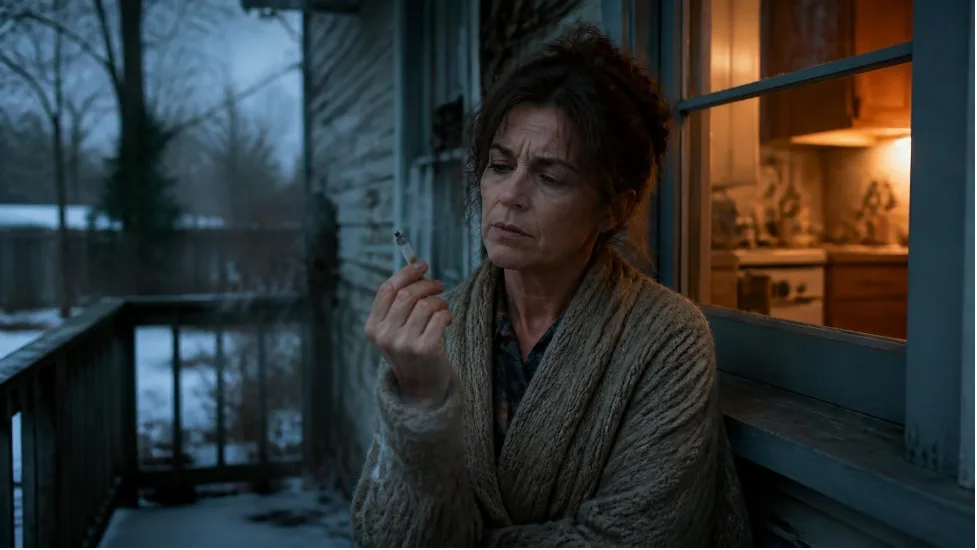
The short answer: many long-term smokers find that the enjoyment faded years ago, but the habit stayed. That's because smoking isn't held in place by enjoyment alone.
It's supported by routines, cues, stress relief, nicotine dependence, and the familiar feeling of "this is what I do." When the pleasure fades, the structure around smoking can still be strong.
Why don't I enjoy it anymore?
People often say:
"I just smoke because it's there."
"I don't even taste it."
"I feel worse after."
"I'd rather be inside."
"It's just something I do."
Over time, smoking can shift from something you choose to something that runs on autopilot.
Then why is it so hard to stop?
Because enjoyment was never the only reason you smoked. Smoking also gives you:
Relief from cravings caused by nicotine dependence.
Structure. It marks the start, middle, and end of your day.
A break. A reason to step away from work or people.
Comfort. A familiar routine during stress or boredom.
Identity. You've been "a smoker" for a long time.
Even if the cigarette itself isn't enjoyable, these other things can still feel important.
Is not enjoying it a good sign?
It can be. Many people find that noticing they don't enjoy smoking makes it easier to imagine life without it. The habit may feel more like a routine than a pleasure, and routines can be changed.
What should I pay attention to?
Try noticing:
When you light up. Which situations?
How you feel before. Stressed, bored, tired?
How you feel during. Do you enjoy it, or just finish it?
How you feel after. Relieved, neutral, worse?
You may discover that the urge comes from the situation more than from wanting to smoke.
What can I do with this realization?
Write down what you don't like about smoking. The taste, the smell, the cost of time, how you feel after.
Notice which cigarettes feel automatic. These are often easier to drop first.
Keep what smoking gives you. If it gives you a break, keep the break.
Make smoking less convenient. Move cigarettes out of easy reach.
Use the moment of noticing. When you catch yourself smoking without enjoying it, remind yourself of what you want instead.
Does this mean quitting will be easy?
Not necessarily. Even if you don't enjoy smoking, nicotine dependence and long-standing routines can still make cravings difficult. A doctor or pharmacist can help if withdrawal symptoms are tough.
What's a good first step?
For one day, rate each cigarette from one to ten for how much you enjoyed it. Many people discover that most are a three or lower.
That information can be surprisingly motivating.
Reset's check-ins help you notice which cigarettes are automatic and which situations trigger them, so you can focus on the moments that matter most.
Related questions
You know every reason to quit. Why hasn't it worked?
You don't need to hate smoking to quit it.